


What Does a Creatine Certificate of Analysis Show?
A certificate of analysis should be read in context. Learn how to check product identity, lot, laboratory, specifications, results, and document scope.
A certificate of analysis, often shortened to COA, reports analytical information about a material or product. The important question is not only whether a document exists. It is what the document covers.
Start with the document identity
A useful COA should make it possible to identify the material and connect the record to the appropriate batch or lot. Look for:
- Product or material name.
- Batch or lot identifier.
- Report, sample, or certificate number.
- Manufacturing, sampling, or testing dates when applicable.
- Laboratory or issuing organization.
Review the specifications and results
A COA can list the characteristic being measured, the specification or acceptance range, the method used, the result, and a pass or fail interpretation. Depending on scope, categories might include identity, assay or purity, moisture, microbiological measures, heavy metals, or other product-specific specifications.
The presence of a row on a report does not by itself explain how a sample was collected, who controlled it, or whether the test applies to the ingredient or finished product.
Ingredient COA vs. finished-product COA
These are not interchangeable:
- Ingredient or raw-material COA: Describes the supplied ingredient or material.
- Batch record: Relates to a manufacturing batch and can contain process information rather than laboratory results alone.
- Finished-product COA: Describes testing performed on the completed product or a finished-product sample.
- Lot-related report: Connects results to a particular lot identifier.
A claim should stay connected to the scope shown on the actual document.
What should the laboratory information show?
Review the laboratory name, report date, methods or method references, sample identification, and authorization or sign-off. Third-party testing means an outside laboratory performed a test; it does not automatically mean the entire product has a broad certification.
COA vs. third-party certification
A COA is a report. A third-party certification program can involve a broader set of requirements such as facility review, label assessment, repeated testing, prohibited-substance screening, or ongoing surveillance. Programs vary, so review what a specific certification actually covers.
Questions to ask before relying on a COA
- Does the product or material name match?
- Does the lot number match the package or request?
- Is the record for an ingredient, batch, or finished product?
- Who performed or issued the testing?
- Which methods and specifications are listed?
- Are results reported clearly rather than summarized by a generic badge?
- Is the date relevant to the lot or material being discussed?
How Creatina organizes quality information
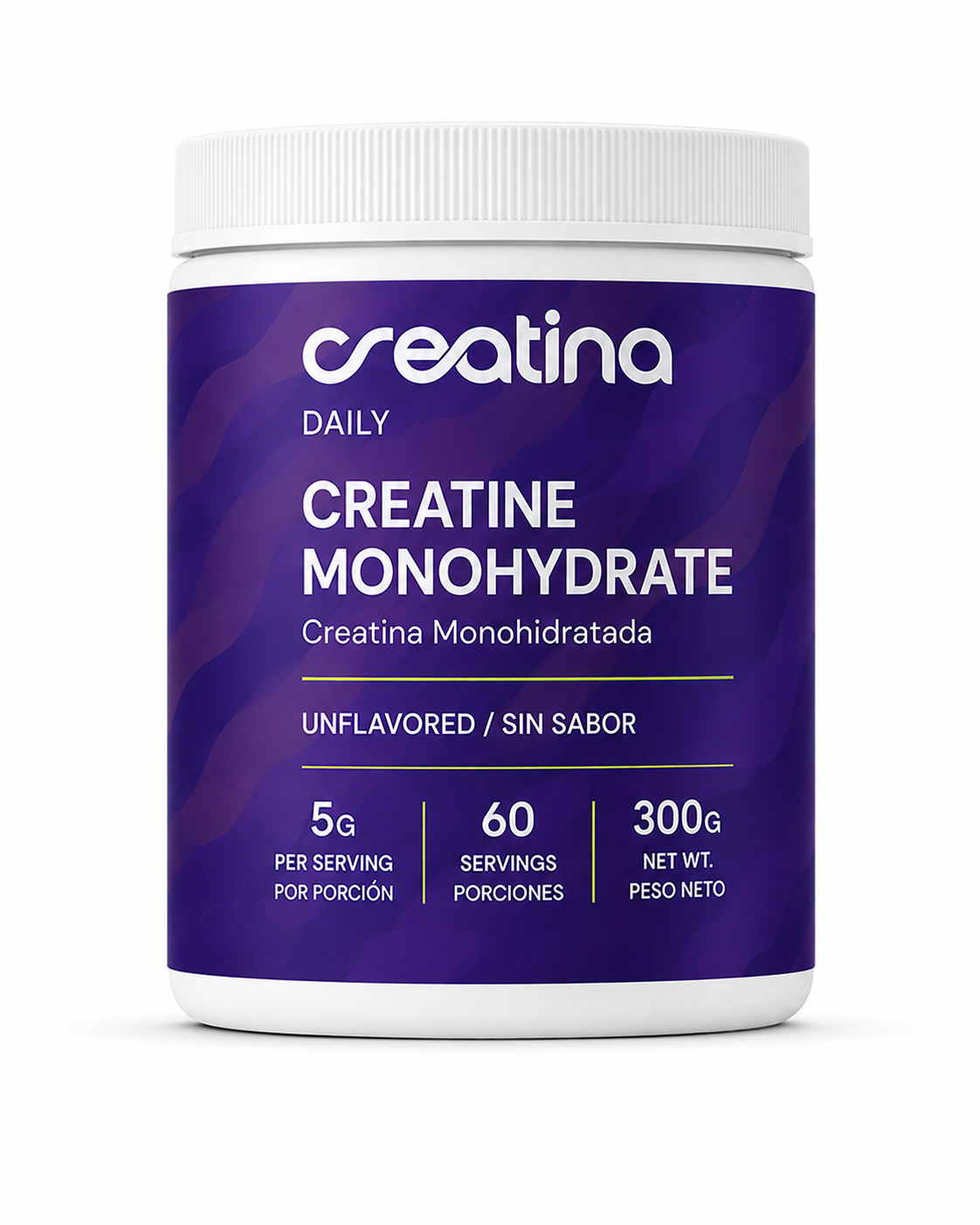
The Creatina Testing & Transparency page separates ingredient information, product specifications, packaging statements, laboratory testing, and available record requests. Contact Creatina with the product name and lot identifier when requesting lot-related information.
Sources
- Cohen PA, et al. Essential features of third-party certification programs for dietary supplements: a consensus statement. PubMed.
- Oliveira TDF, et al. Assessing the authenticity of the sport supplement creatine using spectroscopic techniques and multivariate analysis. PubMed.